Unveiling the Essential Documents Required for Vietnam Visa – Your Comprehensive Guide
When planning your journey to the beautiful country of Vietnam, understanding the documents required for Vietnam visa is crucial. This guide will immerse you in the details of the necessary paperwork, whether you’re an avid traveler or a newcomer. By being well-informed, you can ensure a smooth and hassle-free entry into Vietnam’s vibrant culture, stunning landscapes, and historic sites.
Documents Required for Vietnam Visa
When you’re gearing up to embark on a trip to Vietnam, knowing the documents required for Vietnam visa is of paramount importance. Depending on your nationality and the type of visa you wish to apply for, the required paperwork can differ. Typically, there are several forms of visas including tourist, business, and transit visas.
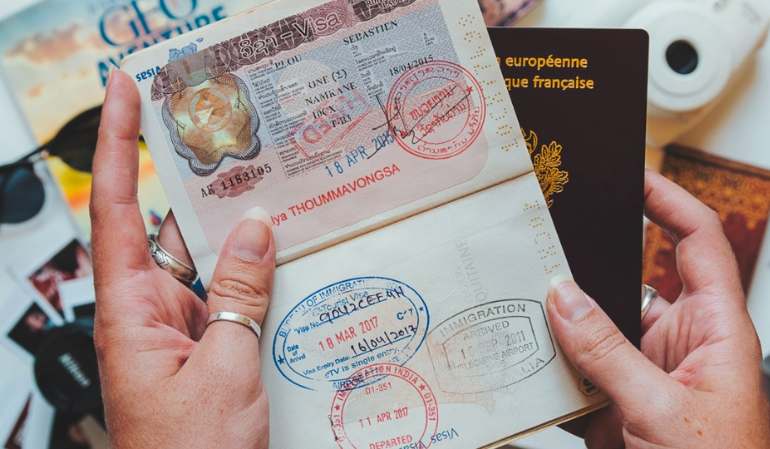
For most nationalities, a basic requirement includes a valid passport with at least six months of remaining validity and blank visa pages. Additionally, you would need a filled-out visa application form, which you can conveniently download from the official website of the Vietnamese embassy or consulate in your country. A passport-sized photograph taken within the last six months is usually part of the documentation as well.
Moreover, if you are applying through an online platform, you must provide a valid email address to receive your E-visa information. Always double-check the stipulated requirements on the embassy or official visa services to ensure you have the most accurate information, as changes might occur.
Vietnam Visa Documents for Indian
For Indian travelers, the Vietnam visa documents for Indian citizens require a unique approach. Indiаns can apply for several types of visas such as tourist visas, business visas, or E-visas, and the documents can vary slightly based on the visa type. The most common documents include a completed visa application form, a valid Indian passport, and a recent passport-sized photograph.
In addition, when applying for a Vietnam visa, Indian citizens may be required to submit proof of sufficient funds, such as bank statements, and a flight itinerary showing your arrival and departure from Vietnam. It’s also wise to verify whether your travel insurance needs to be included in the documents for policyholders, as this may change according to specific visa regulations.
Although obtaining a visa can seem overwhelming, Indian travelers can take comfort in Vietnam’s accommodating visa policies. With continued diplomatic relations strengthening between the two countries, the process is becoming increasingly simple, offering a welcoming experience for Indian tourists.
Vietnam Visa Documents
The general Vietnam visa documents are quite straightforward. Beyond the primary application form and passport-sized photo, you may also need to provide a detailed travel itinerary. This itinerary includes accommodation information and planned activities during your stay in Vietnam, to give the authorities a sense of your travel purpose and duration.
Furthermore, if applying for a business visa, it is essential to provide documents that affirm the nature of your business activities in Vietnam. A letter from your employer or sponsoring company can be helpful as it validates your reason for traveling and assures the authorities of your intentions. Preparing these documents upfront can streamline the application process, making it less stressful for you.
An essential aspect often overlooked is the potential requirement of additional documentation based on your specific circumstance, including events such as attending meetings or other professional engagements. Staying informed about the unique conditions of your visa application will prepare you for any additional paperwork needed.
Documents for Vietnam Visa
Understanding the diverse documents for Vietnam visa can pave the way for a seamless experience. Clarifying the type of visa you are applying for greatly determines what you’ll need to submit. For a tourist visa, your essentials typically include the visa application form, a copy of your travel itinerary, and, in many cases, proof of accommodation bookings.
On the other hand, if you are applying for a business visa or even a visa on arrival, the documentation will expand to include invitations or letters from business affiliates or local entities in Vietnam. Engaging with locals is immensely helpful, as they can provide you with guidance tailored to your specific visa needs to ensure you have everything in order.
Additionally, keeping updated with the most recent regulations regarding visa processing is essential, as these guidelines can change. Engaging with online forums or asking seasoned travelers can provide real-life insights into their experiences and the documentation troubles they may have faced or avoided.
Documents Needed for Vietnam Visa
The documents needed for Vietnam visa will vary slightly, depending on whether you apply at an embassy or online. If you choose a visa on arrival, it is essential to secure an approval letter from a travel agency in Vietnam beforehand, along with the necessary documents, including your original passport, photographs, and visa fee in cash.
For online applications, ensure that you have a valid email account as your E-visa will be sent electronically. The spirit of digitization makes the process easier; however, additional debugging may be necessary should you encounter any system-related issues. Don’t forget to print out your approved E-visa – it’s a crucial document that needs to be presented upon arrival.
Moreover, while processing your visa, it’s advisable to check for any compensation from your airline regarding the COVID-19 pandemic or any other changes in flight schedules, which may necessitate evidence of documentation updates as your situation evolves.
Vietnam E-Visa Documents
The Vietnam E visa documents provide a convenient opportunity for travelers. A significant highlight is the ability to complete most of the visa application process online, making it an attractive option for those who prefer minimal fuss. Essential documents include scanning your passport’s main page, uploading a recent photograph, and providing personal details along with travel dates.
One of the most critical factors to keep in mind is that your passport must be valid for 6 months from the date of entry into Vietnam. Additionally, always double-check if you’re eligible for the E-visa, as not all nationalities can apply for this online version. Furthermore, E-visas only permit entry through specific airports, so securing to fly into these designated locations is imperative for a smooth entry.
The art of applying for an E-visa lies in ensuring a flawless online submission. Re-checking uploads and ensuring your provided information is accurate will heighten the likelihood of swift approval. This process eradicates traditional queues, allowing you to focus on what truly matters – experiencing the enchanting culture of Vietnam.
Vietnam Visa on Arrival Documents
Many travelers find immense value in obtaining the Vietnam visa on arrival documents since it’s a favorite among those traveling to Vietnam. This option is particularly alluring for travelers who may have decided to visit at the last minute or who prefer a flexible itinerary. However, it is essential to have an approval letter issued by an authorized travel agency in order to obtain a visa on arrival.
Key documents include the approval letter, your genuine passport, a passport-sized photo, and cash to cover the visa fee when you arrive in Vietnam. Importantly, make sure you carry the cash in USD, as that’s what is generally accepted at the visa processing counter.
Lastly, being well-prepared significantly reduces anxiety at the border entry points. Ensuring that all documents align correctly can transform your journey into a memorable and enjoyable adventure, leaving you free to immerse yourself in Vietnam’s rich heritage and breathtaking sights without the worries of paperwork hanging overhead.
Frequently Asked Questions
What is the processing time for a Vietnam visa?
The processing time for a Vietnam visa typically ranges from 3 to 5 business days when applying at an embassy. However, for an E-visa, expect a processing time of around 3 days. Be sure to apply ahead of your travel dates to account for any unforeseen delays.
Can Indian citizens apply for an E-visa for Vietnam?
Yes, Indian citizens can apply for a Vietnam E-visa online. However, it is essential to ensure eligibility and follow the instructions on the official website when submitting the required documents.
Is travel insurance needed for submitting a Vietnam visa application?
While travel insurance isn’t a mandatory requirement for a Vietnam visa application, having it is highly recommended. It provides coverage for unexpected situations such as medical emergencies or trip cancellations, allowing for a worry-free adventure.
What should I do if there is a mistake on my visa application?
If you notice a mistake on your visa application, it’s essential to contact the embassy or agency through which you applied as soon as possible. Your options will depend on the nature and scope of the error; swift action is crucial to avoid issues at immigration upon arrival.
Conclusion
Understanding the documents required for Vietnam visa is essential for a smooth traveling experience, particularly for Indian citizens exploring vibrant Vietnam. Each visa category can demand distinct paperwork, ranging from essential documents such as a valid passport and photographs to additional requirements like itinerary proof or invitation letters. The methods of acquiring your visa can vary—from E-visas to visas on arrival—yet, proper preparation and proactive approaches ensure a worry-free journey ahead. Keep yourself informed about changing regulations, engage with experienced travelers, and immerse yourself in the beauty and wonder of Vietnam.